What If Your Mattress Could Reconnect You With an Old Friend?
Have you ever reconnected with someone from your past and felt time melt away? Now imagine that warmth, that ease, meeting a technology that understands you just as well. Smart mattresses aren’t just about better sleep—they’re quietly reshaping how we care for ourselves and stay close to what matters. Let’s talk about how a simple bedtime routine could gently lead you back to an old friend—and to a more peaceful you.
The Night I Found My Old Friend in a Text Message
It was 10:37 p.m., and I was curled up on the couch, scrolling through messages after putting the kids to bed. A name popped up—someone I hadn’t heard from in nearly eight years. My breath caught. Lena. We used to talk every day in college, sharing dreams, heartbreaks, and terrible coffee in the campus cafeteria. Life happened. Jobs, moves, babies—suddenly, years slipped by without a word. And there she was, asking how I was doing. Not with a flashy announcement, not with drama—just a simple, gentle, “Hey, I was thinking about you.”
I stared at the screen, my fingers hovering. Part of me wanted to reply instantly. Another part hesitated. What if it felt awkward? What if we had nothing left to say? I almost closed the app. But then I thought—why does this feel so hard? We once knew each other so well. And then it hit me: maybe I hadn’t been ready. Not really. The truth was, I’d been exhausted. Not just tired—drained. The kind of tired that makes you cancel plans, avoid calls, and let important messages sit unanswered. That night, though, something felt different. I’d been sleeping better. Waking up calmer. And for the first time in a long while, I felt… present. So I took a breath and typed back, “I’ve missed you too.” That small moment changed everything.
How Poor Sleep Silently Drains Your Emotional Energy
We don’t always realize how deeply fatigue affects our emotions—until we’re in the middle of it. Think about the last time you were running on little sleep. Maybe you snapped at your partner over something small, like leaving the kitchen light on. Or maybe you ignored a text from your sister because you just couldn’t muster the energy to write a thoughtful reply. You didn’t want to be distant. You just felt too worn down to connect.
Here’s what science tells us, in plain terms: when your body doesn’t get enough restorative sleep, your brain’s emotional control center—the prefrontal cortex—doesn’t function as well. That means you’re more reactive, less patient, and quicker to withdraw. You might not even notice it happening. It’s subtle. You skip a call. You reply with a quick “👍” instead of a real conversation. Over time, those little moments add up. Distance grows. Relationships fade—not because you stopped caring, but because you didn’t have the emotional bandwidth to show it.
And here’s the irony: the people we love most often become the ones we’re too tired to reach out to. We save our last drops of energy for work, for chores, for keeping the household running. By the time we sit down, we’ve got nothing left. The irony? The very connections that could refill our emotional tank are the ones we’re too exhausted to maintain. It’s a quiet cycle, but it’s real. And it’s one that better sleep can help break.
Meet the Smart Mattress: Your Bed That Cares About How You Feel
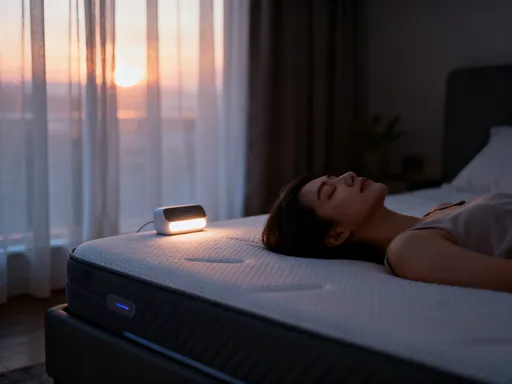
Now, imagine a bed that doesn’t just hold you at night—but pays attention. Not in a creepy way. Not with cameras or loud alerts. But quietly, like a friend who notices when you’re not quite yourself. That’s what a smart mattress does. It’s not about turning your bedroom into a lab. It’s about giving you gentle, personal insights so you can feel your best—without extra effort.
These mattresses use soft sensors woven into the fabric to track things like your heart rate, breathing patterns, and how much you move during the night. Think of it like a fitness tracker—but one that works while you’re asleep and doesn’t require you to wear anything. No straps, no charging, no fuss. You just sleep, and it learns.
The goal isn’t to judge your sleep or give you a grade. It’s to help you understand your body. For example, if the data shows your heart rate stayed elevated most of the night, it might mean you’re carrying stress you didn’t even realize. If you’re tossing and turning more than usual, maybe it’s time to adjust your bedtime routine. The mattress doesn’t scold you. It doesn’t nag. It just offers clues—like a quiet whisper saying, “Hey, you might need a little more care tonight.”
And here’s what I love: it doesn’t demand your attention. You don’t have to stare at a screen or decode charts. Most systems send you a simple summary in the morning—a gentle nudge like, “You had a calm night. Great job!” or “Your sleep was light—maybe try winding down earlier.” It’s supportive, not stressful. It’s tech that feels human.
Waking Up Calmer, Thinking Clearer, Reaching Out Naturally
Here’s the beautiful part: when you start sleeping better, everything else begins to shift. You wake up without that heavy fog. You’re not dragging yourself through the morning. You’re more aware. More patient. More open.
And that awareness doesn’t just help you at work or with the kids—it changes how you show up in your relationships. That text from an old friend? It doesn’t feel like a chore. It feels like an opportunity. You’re not too tired to care. You’re not too drained to be vulnerable. You have the emotional space to say, “I’ve been thinking about you too,” or “I’m sorry it’s been so long.”
I remember the first time I called my cousin after weeks of better sleep. We hadn’t spoken in over a year. I used to tell myself I’d call “when I had time.” But time never came. Then one morning, after a truly restful night, I picked up the phone. Not because I had to. Because I wanted to. And the conversation flowed. We laughed. We cried a little. We promised to stay in touch. It wasn’t magic—it was rest. It was clarity. It was having the emotional energy to reconnect.
That’s what better sleep gives you: not just more hours in the day, but more heart in the moments that matter. You start noticing things—the way your best friend’s voice sounds when she’s tired, the way your mom pauses before answering a question. You listen more. You respond with kindness, not irritation. You become the kind of person who reaches out—not because it’s overdue, but because you genuinely want to.
Real Stories: People Who Reconnected After Improving Their Sleep
Let me tell you about Sarah, a mom of two from Oregon. She’d been struggling with insomnia for years. Nights were long. Mornings were harder. She loved her family deeply, but she admitted she’d become short-tempered and withdrawn. “I’d see messages from old friends and think, I should reply, but I never did,” she shared. “It wasn’t that I didn’t care. I just didn’t have the energy to have a real conversation.”
After switching to a smart mattress and using the sleep insights to adjust her routine—like turning off screens earlier and doing a short breathing exercise before bed—she started sleeping more soundly. Within a few weeks, she felt calmer, more like her old self. One night, she saw an invitation to a virtual high school reunion. In the past, she would’ve ignored it. But this time, she clicked “Join.” She ended up talking for hours with people she hadn’t seen since graduation. “It felt like coming home,” she said. “And it only happened because I finally felt like I had something to give.”
Then there’s Mark, a widower in his late 50s from Ohio. After losing his wife, he withdrew from most of his friendships. “I didn’t know how to talk about it,” he said. “So I stopped talking at all.” He wasn’t sleeping well—waking up multiple times a night, his mind racing. His daughter got him a smart mattress as a gift, hoping it might help. At first, he was skeptical. But slowly, he began to sleep more deeply. The app showed him patterns—like how his rest improved when he avoided coffee after 2 p.m. or when he listened to soft music before bed.
One morning, after one of his best nights of sleep in years, he sat at his kitchen table and wrote a letter—to his old college roommate, someone he hadn’t spoken to in over a decade. He didn’t expect a reply. But he sent it anyway. Two days later, his phone rang. It was his friend. They talked for nearly an hour. “I didn’t fix my grief,” Mark said. “But I finally had the strength to reach out. And that made all the difference.”
These aren’t isolated cases. So many of us carry unfinished conversations, unspoken apologies, and quiet longings for connection. And so often, the barrier isn’t lack of love—it’s lack of energy. Better sleep doesn’t erase life’s challenges, but it gives us the emotional resilience to face them. It helps us show up.
How to Start Simple: Your First Night With a Smart Mattress
If you’re curious but a little nervous—don’t worry. You’re not alone. When I first heard about smart mattresses, I thought, Is this going to be complicated? Do I need to be tech-savvy? The answer is no. Not at all. Think of it like upgrading your pillow—only this one comes with a little extra wisdom.
Getting started is easier than you’d think. Most smart mattresses arrive like any other bed—no wires hanging out, no confusing parts. You unbox it, let it expand (if it’s a foam model), and place it on your frame. Then, you download a simple app—usually just a few taps on your phone. Pair it with the mattress using Bluetooth, like connecting wireless headphones. That’s it. No drilling. No electrician. No stress.
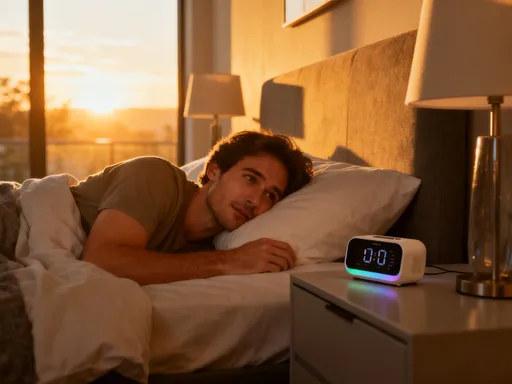
On your first night, you might not notice anything different—except how comfortable it feels. That’s by design. The technology works quietly beneath the surface. You sleep. It learns. In the morning, you’ll likely get a little message—something like, “You slept 7 hours and 22 minutes. Your heart rate was steady—great rest!” It’s not about perfection. It’s about awareness. Over time, you’ll start to see patterns. Maybe you sleep better when you go to bed before 11. Maybe your rest improves when you skip late-night snacks. These small insights help you make small changes—ones that add up.
And if you’re thinking, What if I don’t understand the data?—don’t worry. Most apps are designed for everyday people, not scientists. They use simple language, friendly visuals, and gentle suggestions. You’re not expected to become a sleep expert. You’re just invited to listen to your body in a new way. It’s like having a caring friend quietly helping you take better care of yourself.
More Than a Good Night’s Sleep—It’s a Better Morning, a Kinder You
At the end of the day, a smart mattress isn’t about fancy tech or high scores. It’s about creating the conditions for a fuller, more connected life. It’s about waking up with enough emotional energy to say the things you’ve been holding inside. To call the friend you’ve missed. To apologize. To forgive. To laugh over old memories.
Better sleep doesn’t just change how you feel—it changes how you show up in the world. You become more present with your kids. More patient with your partner. More open with your friends. You stop putting off the conversations that matter. You start living with more heart.
And sometimes, that heart leads you back to someone you thought you’d lost. Like Lena and me—we’ve been talking weekly now for over six months. We’ve shared updates, sorrows, silly memes, and dreams for the future. It’s not because we had a sudden urge to reconnect. It’s because I finally had the peace inside to make space for her again.
So if you’ve been waiting to reach out—if you’ve been letting messages sit, friendships fade, or love grow quiet—maybe the real barrier isn’t time or courage. Maybe it’s rest. Maybe what you need isn’t a grand gesture, but a few calm nights. A deeper breath. A quieter mind.
Let your bed help you heal. Let it help you remember who you are when you’re not exhausted. And then—when you’re ready—let yourself say those two simple, powerful words: I’ve missed you. Because the people who matter are still there. And so are you.