Beyond small talk: How mutual learning groups quietly transformed my circle of friends
Have you ever felt stuck in the same routine, talking to the same people about the same things—yet still feeling lonely? I did. Then I joined a few simple online learning groups, not looking for friendship, just growth. But something unexpected happened. Real connections bloomed. Slowly, strangers became trusted companions. We shared struggles, celebrated progress, and held each other accountable. This isn’t about networking or forced socializing—it’s about how learning with others, not just from them, quietly reshaped my life. It wasn’t flashy or fast, but it was real. And honestly? It changed everything.
The Loneliness Behind the Screen
Remember those Sunday nights when you’re scrolling through photos of people laughing at dinners you weren’t invited to, or smiling at milestones you didn’t get to witness? I used to do that a lot. Not out of envy—more out of confusion. I had a full life: a loving family, a steady job, a circle of familiar faces. But something was missing. Conversations felt light, even repetitive. We’d talk about the weather, the kids’ schedules, or the latest show on TV, but no one ever asked, “How are you, really?” And if they did, I wasn’t sure I knew how to answer.
It wasn’t that I lacked connection—I had friends, after all. But many of those friendships had settled into comfortable patterns. We’d meet for coffee once a month, exchange updates like bullet points, and go our separate ways. Over time, it started to feel like I was performing friendship instead of living it. The deeper stuff—the doubts, the quiet fears, the dreams I hadn’t told anyone about—stayed locked away. I thought maybe that’s just how adulthood works. You grow up, grow busy, and grow quietly lonely.
Then one evening, while searching for a way to finally learn how to bake sourdough (yes, like everyone else during that time), I stumbled upon a small online group called “Rise & Learn: 6 Weeks to Your First Loaf.” It wasn’t a course with grades or certificates. Just a simple invitation: “Let’s learn together.” Something about that phrase tugged at me. Not “watch me,” not “follow my method,” but “let’s.” I clicked join, not knowing it would be the first step toward something much bigger than bread.
What Mutual Learning Groups Actually Are (And What They’re Not)
If you’re imagining a Zoom classroom with a teacher at the front and students raising virtual hands, that’s not what I’m talking about. Mutual learning groups are different. They’re not about experts teaching beginners. They’re about peers walking the same path, at the same pace, side by side. Think of it like this: instead of watching a cooking show, you’re in the kitchen with a few friends, all trying a new recipe for the first time. Someone burns the onions. Someone forgets the salt. But you laugh, you figure it out, and by the end, you’ve made something—maybe not perfect, but yours.
These groups usually form around a shared skill or interest—like learning a language, starting a journaling habit, getting into gardening, or even managing household budgets. The magic isn’t in the topic; it’s in the structure. Everyone agrees to show up regularly, share their progress (or lack of it), and offer support. There’s no competition. No one’s keeping score. The only rule is kindness and consistency.
What makes them different from regular social media groups? Simple: purpose and presence. A Facebook group about parenting might have thousands of members, but most people post and disappear. In a mutual learning group, you see the same faces week after week. You recognize their voice, their style, their little quirks. You start to care. One woman in my sourdough group posted every Sunday with a photo of her latest loaf and a short note: “This one collapsed, but I’m not giving up.” I found myself rooting for her. And when she finally posted a perfect, golden-crusted loaf, I celebrated like I’d baked it myself.
These groups aren’t about being the best. They’re about being seen. And that changes everything.
How Learning Together Builds Trust Faster Than Small Talk
You know how it feels when someone asks, “How are you?” and you automatically say, “Good, thanks!” even when you’re not? That’s the trap of small talk. It keeps us safe, but it keeps us distant. Real trust doesn’t grow in perfect moments—it grows in the messy ones. And learning something new is messy. You fumble. You fail. You feel frustrated. And when you do that in front of others who are doing the same, something shifts.
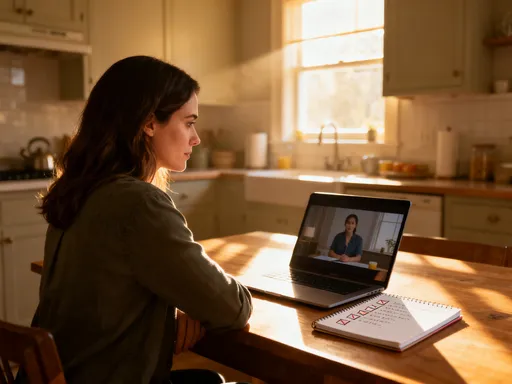
In my group, I admitted early on that I had no idea how to shape dough. I posted a photo of what looked like a deflated balloon and wrote, “I think I killed it.” Within minutes, three people replied with equal honesty: “Mine looked worse!” “I cried last week over my flat loaf.” “Want to try a video call and practice together?” That moment—where we all showed up with our imperfections—was the beginning of real connection.
Psychologists call this shared vulnerability. It’s not about oversharing trauma or deep secrets. It’s about allowing yourself to be human in front of others. When you say, “I don’t understand this,” and someone says, “Me neither,” you feel less alone. When you celebrate a small win—like finally getting your starter to bubble—and someone replies, “That’s huge! Tell me how you did it!”—you feel seen.
I noticed how quickly these little moments added up. We started using nicknames. We remembered each other’s kids’ names. We noticed when someone hadn’t posted in a while and gently checked in. One member, Sarah, missed two weeks after her mother got sick. When she finally returned, she wrote, “I didn’t have the energy to bake, but I missed you all.” The response flooded in: “We missed you.” “No pressure, just glad you’re back.” “Let us know if you need a meal.” That wasn’t just a baking group anymore. It was a community.
The Routine That Changed Everything: Showing Up Weekly
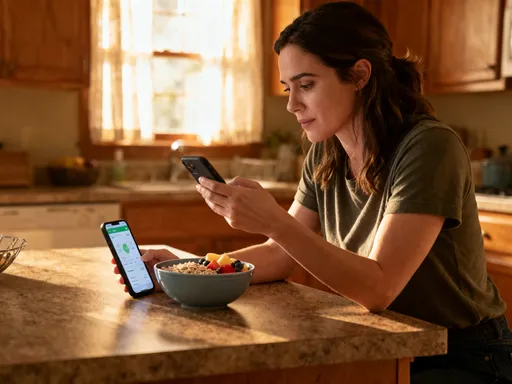
Here’s the truth: deep connection doesn’t happen in grand gestures. It happens in small, repeated actions. In my case, it was a simple Sunday night ritual. After the kids were in bed and the kitchen was clean, I’d open my laptop, upload a photo of my latest loaf (or failed attempt), and write a few sentences about what worked and what didn’t. Then, I’d scroll through the group and leave a comment on at least three other posts: a word of encouragement, a tip, or just a heart.
At first, it felt like a chore. Like another item on my to-do list. But over time, something shifted. That weekly check-in became something I looked forward to. It wasn’t just about the bread anymore. It was about the people. I started noticing patterns—when someone was having a tough week, their photos were less detailed, their tone quieter. I’d send a private message: “Everything okay?” And more than once, that small gesture opened the door to a real conversation.
The beauty of this routine was its simplicity. I didn’t have to plan a meetup or make a long phone call. I just had to show up. And the group did the same for me. When I missed a week after a family trip, I came back to messages like, “We missed your sourdough stories!” and “Glad you’re back—your tips helped me save my loaf this week!” That feeling—of being missed, of mattering—was more powerful than I expected.
Consistency builds trust. And trust builds friendship. It wasn’t forced. It wasn’t scheduled. It grew naturally, one small act at a time. And the best part? It didn’t drain my energy—it gave me some back. Knowing I had this circle of women who were also trying, failing, and trying again made me feel less alone in my own efforts, whether in baking or in life.
From Virtual to Real: When Online Friends Became Lifelines
Some people assume online friendships are less real. But let me tell you—when you’ve shared your struggles, celebrated your wins, and shown up for each other week after week, the connection is very real. And sometimes, it moves beyond the screen.
Last year, I traveled to Chicago for a family event. One of the women in my group, Lisa, lived nearby. We’d never met in person, but after months of digital connection, it felt natural to suggest coffee. We met at a quiet café, both a little nervous at first. But within minutes, it was like we were old friends. We talked about our kids, our dreams, our fears. We even brought sourdough—hers with rosemary, mine with walnuts. That meeting wasn’t just nice; it deepened our bond in a way I hadn’t expected.
Other connections took different forms. When my youngest started middle school and I felt that familiar wave of anxiety—Am I doing this right?—I posted in our group not about baking, but about parenting. Within hours, messages poured in: “I felt the same with my daughter.” “It gets easier.” “You’re not alone.” One woman, Maria, sent a voice note that brought me to tears: “I’ve been thinking about you. You’re doing great.” That moment wasn’t about learning a skill. It was about being held.
We also created a small WhatsApp group just for emotional support—no baking photos, just check-ins. “Rough day today.” “Feeling proud of myself.” “Need a prayer.” We didn’t solve each other’s problems, but we witnessed them. And sometimes, that’s enough. These weren’t friendships I set out to make. They grew quietly, organically, from the soil of shared effort and mutual care.
How to Start Your Own Group (Even If You’re Not a Natural Connector)
If you’re thinking, That sounds nice, but I could never start something like that, I get it. I didn’t see myself as a leader either. I’m not the type to organize parties or host book clubs. But here’s what I’ve learned: you don’t need to be charismatic or tech-savvy. You just need to care.
Start small. Think of one thing you’ve wanted to learn—maybe it’s watercolor painting, basic Spanish, meal planning, or even mindfulness. Then, look for a small group already doing it. Platforms like Facebook, Reddit, or free apps like Discord or Circle make it easy to find communities. Search for phrases like “beginner,” “slow and steady,” or “no pressure.” Avoid groups that feel competitive or overly technical. You want warmth, not perfection.
If you can’t find the right fit, consider starting your own. It sounds bigger than it is. Create a simple space—maybe a private Facebook group or a shared email thread—and invite a few people you know who might be interested. Keep the commitment low: “Let’s check in once a week, share one thing we tried, and encourage each other.” No rules, no grades, just presence.
Here’s the key: show up. Even if you don’t have anything exciting to share, post anyway. “This week was busy. Didn’t practice, but I’m still here.” That honesty gives others permission to be human too. And don’t worry about growing a huge group. Five consistent people are better than fifty ghosts. Over time, trust builds. Care grows. And before you know it, you’ve created something meaningful.
One mom in my network started a “10-Minute Journal” group for women in her neighborhood. They meet virtually every Monday morning. No deep sharing, just a quick prompt: “What are you grateful for?” or “What’s one small win?” She told me, “I didn’t expect it to mean so much. But now, Monday mornings feel lighter.” That’s the power of simple, consistent connection.
Why This Isn’t Just About Learning—It’s About Belonging
When I started this journey, I thought I was signing up to learn how to bake bread. I didn’t realize I was actually searching for belonging. For a place where I could be imperfect and still be welcomed. Where my efforts—no matter how small—were seen. Where I wasn’t just a mom, a wife, or a to-do list, but a person growing, learning, and connecting.
Mutual learning groups didn’t fix my life. But they softened its edges. They gave me a space to breathe, to try, to fail, and to be met with kindness. They reminded me that growth doesn’t have to be lonely. That we weren’t meant to figure everything out on our own. And that sometimes, the most meaningful relationships begin not with “Let’s be friends,” but with “Let’s learn this together.”
Technology often gets blamed for making us more isolated. And yes, mindless scrolling can leave us feeling emptier. But tech, when used with intention, can also bring us closer. It’s not the tool that matters—it’s how we use it. When we choose connection over comparison, presence over performance, and shared growth over solo achievement, we create something beautiful.
So if you’ve been feeling that quiet ache of loneliness, even in a crowded room, I want to invite you: don’t just look for friends. Look for a reason to grow—with others. Pick a skill, find a group, and show up. Share your messy attempts. Celebrate small wins. Let yourself be seen. Because the truth is, we all want the same things: to be known, to be supported, and to belong. And sometimes, the most unexpected path to all of that begins with a simple loaf of bread—and a group of women who decided to rise together.