Tired of Wasting Energy While Charging Your Devices? This Simple Fix Saved Me Every Month
Charging your phone, laptop, or tablet is something you do every day—probably without thinking twice. But what if those little charging habits are quietly costing you more than just electricity? I used to leave devices plugged in overnight, charge multiple gadgets at once, and ignore how much energy was leaking away. Then I learned how smart charging management could actually help me save money, reduce waste, and even support my health goals. It’s not about big changes—it’s about working *with* your routine, not against it. And the best part? You don’t need to become a tech expert. Just a few mindful tweaks made a real difference in my home, my budget, and even how I feel at the end of the day.
The Hidden Cost of “Just Charging”
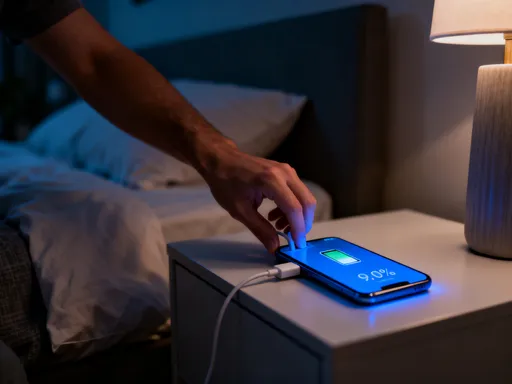
You plug in your phone before bed. It’s fully charged by 2 a.m., but it stays connected until morning. Your tablet sits on the charger all weekend. The kids leave their earbuds plugged in “just in case.” These habits seem harmless—after all, how much could it possibly cost? But here’s the truth: every time a device stays plugged in after it’s fully charged, it still pulls a small amount of power. This is called “vampire energy” or “phantom load,” and it’s sneaky. It doesn’t show up as a loud alarm or a blinking light—it just quietly adds to your monthly bill.
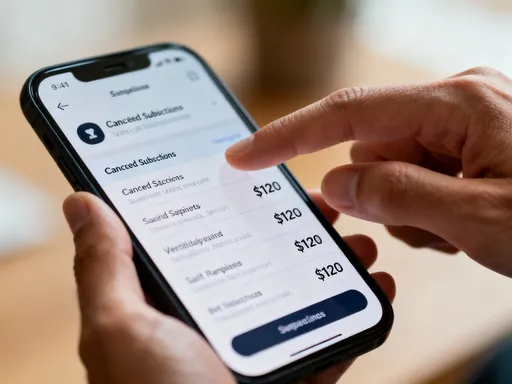
According to the U.S. Department of Energy, standby power can account for up to 10% of a household’s annual electricity use. That means if you’re paying $150 a month for electricity, you could be spending $18 a month—over $200 a year—just to power devices that aren’t even turned on. And charging devices is one of the biggest contributors. Think about how many gadgets your family uses: phones, tablets, smartwatches, laptops, wireless earbuds, even gaming controllers. Each one has a charger, and most of them are left plugged in long after they’ve hit 100%.
I didn’t realize how much this was affecting me until I started paying attention. I’d charge my phone overnight, every night. My daughter would charge her tablet while watching videos, then forget to unplug it. My husband kept his laptop charger in the living room outlet, always ready, always drawing power. We weren’t doing anything extreme—we were just like most families. But when I added it all up, I realized we were wasting energy without even knowing it. And it wasn’t just about the money. I started thinking about the environmental impact. All that extra energy means more carbon emissions, more strain on power plants, and more waste. It felt like we were leaving lights on in an empty house—only this time, the lights were invisible.
What changed for me was understanding that small habits create big results—both good and bad. I didn’t need to overhaul my life. I just needed to be more aware. And once I started making small changes, I noticed something else: I felt more in control. Instead of reacting to bills or scrambling to find chargers, I was setting the pace. That sense of intentionality spilled over into other parts of my day. I started meal planning more, organizing the laundry schedule, even getting to bed earlier. It’s amazing how one small shift can start a ripple effect.
How Smart Charging Works—Without the Tech Jargon
When I first heard the term “smart charging,” I pictured something complicated—like a robot managing my outlets or an app that needed constant updates. But the truth is, smart charging is simple. It’s not about high-tech gadgets or complicated setups. It’s about giving your devices the right amount of power at the right time—and stopping when it’s done. Think of it like filling a glass of water. With a regular charger, it’s like leaving the faucet running even after the glass is full. The water spills over, and you don’t notice until the counter is wet. With smart charging, the faucet turns off automatically when the glass is full. No waste. No mess. Just efficiency.
Smart chargers and smart plugs work by sensing when a device reaches full battery. Instead of continuing to push electricity into the battery—which can cause overheating and wear down the battery over time—they either stop the flow completely or switch to a trickle charge. Some smart plugs can even be programmed to turn off at a certain time, so your phone stops charging at 7 a.m., even if you forget to unplug it. Others connect to an app on your phone, so you can see exactly how much energy each device is using. The best part? Many of these tools are affordable and easy to set up. You don’t need to rewire your house or replace all your devices. Just plug in a smart outlet, connect your charger, and let it do the work.
I started with one smart plug in my bedroom. I used it for my phone and my husband’s tablet. I set it to turn off at 7:30 a.m., which is about an hour after both devices are fully charged. At first, I worried the devices wouldn’t be ready when we needed them. But they were—100% charged, cool to the touch, and not overworked. Over time, I added more smart plugs—in the living room for the kids’ tablets, in the kitchen for the Bluetooth speaker we use during breakfast. I didn’t do it all at once. I just took it one step at a time. And the more I used them, the more I realized how much energy we were saving without even trying.
Another benefit I didn’t expect? My devices started lasting longer. My phone battery, which used to drop to 80% capacity in less than two years, now holds up much better. Experts say that keeping lithium-ion batteries between 20% and 80% is ideal for longevity, and smart charging helps make that happen without constant monitoring. It’s like having a gentle guardian for your gadgets—one that protects both your wallet and your devices.
What Most People Get Wrong About Their Chargers
We all think we know how chargers work. Plug in, wait for the green light, unplug. But there are a lot of myths out there that can actually hurt your devices and waste more energy than you realize. One of the biggest? That all USB chargers are the same. I used to borrow chargers from my kids, use my tablet charger for my phone, or grab whatever cable was handy. But here’s the thing: chargers are not one-size-fits-all. Using a high-wattage charger on a device that doesn’t need it can lead to faster battery degradation. On the flip side, using a low-power charger on a tablet can make charging take twice as long, which means more time plugged in and more energy used.
Another common mistake is thinking that “fast charging” is always better. Yes, it’s convenient to get your phone to 50% in 20 minutes, but that speed comes at a cost. Fast charging generates more heat, and heat is one of the biggest enemies of battery health. If you’re fast charging all the time—especially overnight—you’re putting extra stress on the battery. Over time, that leads to reduced capacity and shorter lifespan. I used to charge my phone quickly every morning before work, but once I switched to a standard charger and started using a smart plug to manage the timing, I noticed my battery stayed healthier and my phone ran cooler.
And let’s talk about power strips. Many of us plug multiple chargers into a single strip and leave it on all night. We think, “It’s just one switch—easy to control.” But unless that strip has a built-in timer or smart control, it’s still drawing power from every charger, even if the devices aren’t connected. I had a strip in the living room with four chargers plugged in—two for phones, one for earbuds, one for a smartwatch. I thought, “It’s fine. They’re not in use.” But a friend who works in energy efficiency told me that each idle charger still pulls about 0.26 watts. Multiply that by four, times 24 hours, times 365 days—it adds up to more than I expected.
The biggest myth, though, is that “off” means “no power.” If a charger is plugged into the wall, it’s using electricity—even if nothing is connected to it. That little LED light? That’s power being used. That warm feeling when you touch the charger? That’s energy being wasted. Once I learned this, I started being more intentional. I unplugged chargers I wasn’t using. I labeled them so I’d know which one went with which device. And I began using smart power strips that cut power completely when devices are fully charged or turned off. It wasn’t about being perfect—it was about making better choices, one plug at a time.
Linking Energy Saving to Daily Wellness Goals
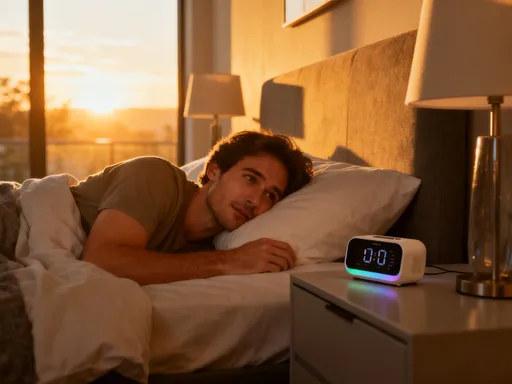
Here’s something I never expected: better charging habits actually helped me feel healthier. I know that sounds strange—how can unplugging a phone affect your wellness? But when I started using smart plugs to manage charging times, I also started setting boundaries around screen time. I programmed my phone to stop charging at 7:30 a.m., which meant I couldn’t keep scrolling until the last minute. I had to get up and start the day. And at night, I set a rule: no charging in bed. My phone now charges in the kitchen, away from the bedroom. That simple change helped me fall asleep faster and wake up feeling more rested.
Sleep experts say that exposure to blue light from screens before bed can disrupt melatonin production, making it harder to fall asleep. But it’s not just the light—it’s the habit. When your phone is right next to your pillow, it’s too easy to check one more message, scroll through social media, or watch a video “just for five minutes.” Before you know it, it’s midnight. By moving the charging station out of the bedroom, I created a physical barrier that helped me stick to my bedtime routine. And because the smart plug turns off at a set time, I don’t even have the temptation to plug it back in.
This shift also helped me with my focus during the day. When I started waking up without that groggy, screen-hungover feeling, I had more energy. I was more present with my family. I started reading more, cooking healthier meals, and even going for morning walks. It wasn’t because I suddenly had more time—it was because I was starting my day with clarity instead of chaos. And the kids noticed. My daughter asked why I wasn’t checking my phone first thing anymore. I told her I wanted to start the day with a smile, not a screen. Now she does the same—she charges her tablet in the living room and only uses it during designated times.
Managing energy use became a form of self-care. It wasn’t just about saving money or protecting the planet—it was about creating a calmer, more intentional life. Every time I unplugged a charger or set a timer on a smart plug, I was making a small choice to prioritize my well-being. And those small choices added up to real change.
Real Changes That Take Less Than Five Minutes
You don’t need to spend hundreds of dollars or spend hours reading manuals to make a difference. Some of the most effective changes take less than five minutes and cost nothing. Here are a few I started with: First, I unplugged every charger that wasn’t in use. That included the old phone charger in the guest room, the tablet charger in the living room, and the spare cable in the kitchen drawer. Just unplugging them saved energy immediately.
Next, I downloaded a free battery monitor app. It shows me how much power each device is using and when it’s fully charged. I didn’t even know these apps existed until a friend mentioned one. It’s not about obsessing over every watt—it’s about awareness. Now I know when my devices are done charging, and I can unplug them or let the smart plug handle it.
I also labeled my chargers. I used colored tape to mark which one was for the phone, which for the tablet, which for the kids’ devices. This sounds small, but it helped everyone in the house use the right charger for the right device. No more mixing them up or using the high-power charger on something that doesn’t need it.
Another quick fix: I started using a simple timer plug for the living room. It turns off at 10 p.m., which is when we usually stop using devices. Even if someone forgets to unplug a charger, the power cuts off automatically. It’s like having a silent helper that keeps things in check.
And I made one rule for the family: charge devices during the day, not overnight. We set up a charging station on the kitchen counter with a multi-port USB hub. Everyone plugs in after school or work, and by bedtime, devices are ready. If something needs a little extra juice, we use a smart plug with a timer. These changes didn’t require willpower or perfection. They just required a little planning—and they’ve made a real difference.
How My Family Found Calmer Evenings (and Lower Bills)
Before we made these changes, evenings in our house were chaotic. The kids would fight over who got to charge their tablet. My husband would ask, “Is my laptop charger free?” while I searched for my phone cable. Devices were everywhere—on couches, under pillows, in backpacks. And at night, the living room looked like a charging station, with cords snaking across the floor.
There was also tension around screen time. I’d nag the kids to put their devices away. My husband would say, “Just five more minutes,” while scrolling through emails. I felt like a referee, not a mom. And then there was the guilt—seeing the electric bill go up every month, knowing we were wasting energy but not knowing how to stop.
When I introduced the new charging routine, I was nervous. Would the kids resist? Would my husband think it was too much? But instead of pushback, I got relief. We created a central charging station. We agreed on charging times. We used smart plugs to manage overnight power. And something shifted. The nagging stopped. The fights over chargers disappeared. The kids started putting their devices away on their own because they knew where to plug them in—and when.
Even better, our evenings became calmer. Without screens glowing in every corner, we started talking more. We played board games. We ate dinner together without distractions. And when bedtime came, everyone was ready to wind down. My daughter said, “I like that my room feels quieter now.” My husband said, “I didn’t realize how much I was staring at my phone until it wasn’t right next to me.”
And yes—the electric bill went down. Not by a huge amount, but enough to notice. We saved about $18 a month, which adds up to over $200 a year. That’s enough for a family movie night, a nice dinner out, or even a small vacation fund. But the real savings weren’t just financial. It was the peace of mind. The sense that we were doing something good—for our home, our health, and our planet.
Building a Smarter, Lighter Life One Charge at a Time
What started as a simple question—“Am I wasting energy by overcharging?”—turned into a journey of awareness, intention, and calm. I didn’t set out to change my life. I just wanted to save a little money. But in making small, smart choices about how we charge our devices, I discovered something bigger: that technology doesn’t have to control us. It can serve us. It can help us live with more clarity, less clutter, and greater peace.
Every time I unplug a charger, set a timer, or choose the right cable, I’m making a quiet statement: I’m in charge. I’m not letting habits run my life. I’m not letting invisible energy drains add up. I’m not letting screens steal my time or my sleep. Instead, I’m using technology mindfully—on my terms.
And that mindset has spread. I’m more thoughtful about how I use my time. I’m more aware of what brings value and what just adds noise. I’ve started applying the same principle to other areas—decluttering drawers, simplifying routines, saying no to things that don’t serve me. It’s not about being perfect. It’s about being present.
If you’re reading this and thinking, “I don’t have time for another thing,” I get it. You’re busy. You’re juggling work, family, meals, schedules. But this isn’t about adding more. It’s about doing what you already do—charging your devices—with a little more awareness. Start with one change. Unplug one charger tonight. Download a free app. Move your phone out of the bedroom. See how it feels.
Because small choices lead to big shifts. And sometimes, the quietest changes—the ones no one sees—are the ones that change everything. You don’t need a tech upgrade to live smarter. You just need to start where you are, use what you have, and make one small choice today. Your future self—and your family—will thank you.