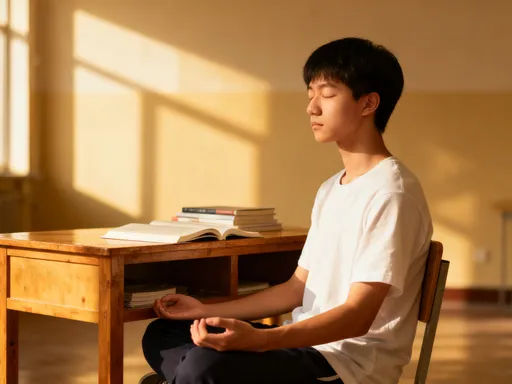
Beyond the Noise: How Discussion Platforms Finally Brought Calm to My Daily Routine
We’ve all been there—endless scrolling, reactive replies, and conversations that leave us more drained than inspired. I used to feel overwhelmed by online discussions, until I realized the tools weren’t the problem—my rhythm was. This isn’t about spending less time online. It’s about aligning digital interactions with your natural energy flow, so engagement feels intentional, not exhausting. Let me show you how small shifts with topic discussion platforms reshaped my days—and can reshape yours too.
The Hidden Cost of Constant Connection
Imagine this: your eyes flutter open, and before your feet even touch the floor, your hand reaches for your phone. There it is—a cascade of notifications. Three new replies in the neighborhood garden group. A heated comment thread in your favorite parenting forum. A reminder that someone tagged you in a thread about school fundraising. Your heart speeds up just a little. The day hasn’t started, and already, your mind feels pulled in five directions. I lived like this for months, thinking I was staying connected, staying informed. But in truth, I was just staying reactive. The irony? These platforms were built to bring people together, to spark ideas, to help us feel less alone. Yet for me, they were doing the opposite. I felt more scattered, more anxious, and strangely, more isolated. Every ping felt like an obligation. Every unread message carried a whisper: You should be responding. You should care more. You should keep up.
It wasn’t until I stepped back—really stepped back—that I saw the pattern. The platforms themselves weren’t the enemy. It was the way I was using them: constantly, reactively, without pause or purpose. I was treating every discussion as if it demanded my full attention, right now. But the truth is, not every conversation needs you at your peak. And not every moment in your day is suited for deep engagement. Once I started noticing how these digital interactions were draining my mental energy before breakfast, I knew something had to change. I didn’t want to quit these spaces—they held real value. I just needed to find a way to be in them without losing myself.
Mapping Your Energy, Not Just Your Time
Here’s what shifted everything: I stopped focusing on how much time I spent online and started paying attention to when I engaged—and how I felt in those moments. I began a simple experiment: for one week, I took three quick mental snapshots each day—morning, afternoon, evening. I asked myself: How alert am I? Am I feeling creative, social, or drained? I didn’t use apps or trackers. No fancy tools. Just pen and paper by my coffee mug. And what I discovered surprised me. My energy wasn’t flat. It had a rhythm. Mornings? That’s when my mind feels clearest. I can focus, write, think deeply. Afternoons are naturally more social—I enjoy conversation, collaboration, exchanging ideas. But evenings? That’s when I need quiet. My brain winds down, and pushing myself to engage in complex discussions only left me frustrated.
Once I saw this pattern, I realized I’d been doing everything backward. I was jumping into heavy threads at night, when I was already tired. I was trying to craft thoughtful replies during my low-energy hours, which made them feel like chores. No wonder I felt drained! The idea of energy mapping isn’t about productivity hacks or squeezing more out of your day. It’s about respect—for your own natural flow. Think of it like gardening. You wouldn’t plant seeds at the wrong time of year and blame the soil when they don’t grow. So why keep forcing digital engagement when your mind isn’t ready? When I started matching my online habits to my energy, everything felt easier. It wasn’t about doing more. It was about doing what mattered, at the right time.
Choosing the Right Conversations at the Right Time
Once I knew my energy rhythm, the next step was simple but powerful: I began matching the type of discussion to my mental state. It sounds small, but it changed everything. For example, I used to dive into long threads about local school policies right after dinner—when I was already tired and emotionally sensitive. Of course, I’d end up frustrated, writing a reply I later regretted. Now, I save those kinds of conversations for late morning, when I’m focused and calm. That’s when I can read carefully, think through my response, and contribute in a way that feels true to me.
Meanwhile, I’ve given myself permission to keep lighter interactions for lower-energy times. A quick ‘thank you’ in a community group? A heart reaction to a friend’s post about her daughter’s art project? Those take seconds and actually feel good—even when I’m tired. I’ve learned that not every engagement has to be deep. Sometimes, showing up with a simple emoji is enough. The key is knowing the difference. Now, when I see a heated debate pop up during my afternoon slump, I don’t feel guilty for skipping it. I just bookmark it for tomorrow morning. And you know what? That pause often leads to a better response. I’m not reacting in the moment. I’m choosing how and when to speak. That small shift—from reactive to intentional—has made my online presence feel more authentic, more me.
Designing Your Discussion Environment
Here’s a truth I had to learn the hard way: your digital space should serve you, not distract you. I used to have every notification turned on. Every comment, every mention, every new post—it lit up my phone like a Christmas tree. I thought I was staying on top of things. But really, I was just training myself to respond to every beep, like a lab experiment gone wrong. The turning point came when I sat down and asked: Which of these alerts actually matter to me? The answer was surprising. Most of them didn’t.
So I started customizing my discussion platforms—just like I’d organize my kitchen drawers. I turned off notifications for general group updates. I muted threads that tended to spiral into drama. I created folders or tags for topics I cared about—like ‘family recipes,’ ‘local events,’ and ‘self-care tips’—so I could check them when I had the mental space. Some platforms let you schedule digest emails, so I switched to getting a daily summary instead of live alerts. These small changes didn’t isolate me. If anything, they helped me engage more meaningfully. Now, when I open a discussion, it’s because I want to, not because I was startled by a ping. I’ve also started using ‘read-it-later’ tags for longer posts—articles, personal stories, thoughtful essays. That way, I don’t feel pressured to absorb everything at once. I can save them for my favorite reading spot, with a cup of tea and no distractions. It’s amazing how much calmer your mind feels when your digital environment feels intentional, not chaotic.
Building Rituals, Not Rules
I’ll be honest—I tried the strict approach first. ‘No phones before 9 a.m.’ ‘Only 20 minutes online per day.’ ‘No discussions during dinner.’ And you know what happened? I broke every single rule within a week. Not because I lacked willpower, but because life isn’t that rigid. Kids get sick. Work gets busy. Some days, you just need to vent in a support group at midnight. That’s when I realized: what I needed wasn’t rules. I needed rituals—gentle, flexible habits that fit my real life.
So I built a few small ones. Every day after lunch, I spend about 15 minutes checking in on the discussion groups that matter most to me. It’s not rushed. I read a few threads, reply to one or two, and then close the app. That’s it. No pressure to do more. In the evening, if I’m winding down, I allow myself a ‘light scroll’—just positive, uplifting threads. No debates. No news. Just things that make me smile, like pet photos or gardening tips. These rituals stuck because they didn’t feel like punishment. They felt like gifts. I remember talking to my friend Lisa, who tried a strict ‘digital detox’ schedule. She lasted three days before burning out. ‘It felt like I was fighting myself,’ she said. ‘Like I was bad for even wanting to check in.’ But when she switched to rituals—just 10 minutes in the morning with her book club forum, a weekly check-in with her sister’s family group—she found she could stay connected without drowning in it. Flexibility, not rigidity, is what makes habits last.
When to Step Away—And Why It Strengthens Your Voice
One of the hardest but most powerful lessons I’ve learned? Stepping away isn’t silence. It’s strategy. There was a thread in my parenting group that used to pull me in every time—a debate about screen time rules that somehow turned personal. Every time I read it, my chest tightened. I’d write a reply, delete it, rewrite it, feel my pulse quicken. One day, I just… muted it. Not forever. Just for a week. And something amazing happened: the silence gave me space to think. Without the pressure of immediate reaction, I realized I didn’t actually have strong feelings about screen time limits. What I did care about was modeling calm decision-making for my kids. That clarity never would’ve come if I’d kept arguing in real time.
Now, I see temporary exits as part of healthy engagement. If a conversation feels overwhelming, I give myself permission to step back. I might leave a kind note—‘I need a moment to reflect on this’—or simply mute the thread. And you know what? Coming back later, with fresh eyes, often leads to a more thoughtful, impactful contribution. It’s like the difference between shouting in the middle of a storm and speaking clearly once the air has cleared. Stepping away doesn’t make you less involved. It makes you more intentional. It builds emotional resilience. And oddly, it often makes people listen more closely when you do speak, because they know your words come from reflection, not reaction.
A Rhythm That Grows With You
What I’ve learned over these past months isn’t a fixed formula. It’s a mindset. Life changes—your energy shifts with the seasons, with your kids’ ages, with your work demands. And your digital rhythm should change too. There was a time when I loved diving into long threads at night. Now, with a younger child waking early, I protect my evenings like gold. That’s okay. Flexibility is the point. The goal isn’t perfection. It’s awareness. It’s noticing when something feels off and being gentle with yourself as you adjust.
I invite you to try this—not as a strict plan, but as an experiment. Start small. Notice how you feel before and after checking in on your favorite platforms. Try shifting one type of conversation to a better time of day. Tweak one notification setting. Celebrate the tiny wins—like the first time you close an app without feeling guilty, or when you reply to a post and actually feel good about what you said. These moments add up. What I’ve found is that when technology follows life, instead of leading it, it stops feeling like a burden. It becomes a tool—one that helps me stay connected, informed, and true to myself. The real victory isn’t fewer screen hours. It’s feeling more like you, both online and off. And that’s a rhythm worth finding.