I can’t believe I used to carry heavy bags every day: How fresh produce apps changed my workweek for good
We’ve all been there—rushing home after a long workday, only to face the exhausting chore of grocery shopping. Your arms ache from heavy bags, your energy’s drained, and dinner feels impossibly far off. But what if you could skip the store entirely and still have crisp vegetables and ripe fruit waiting at your door? That’s exactly what happened when I gave fresh produce delivery apps a real try. No hype, no tech jargon—just real relief on busy weekdays. It wasn’t about being fancy or futuristic. It was about finally giving myself permission to make one part of my day easier—and how that small shift quietly transformed everything else.
The Daily Struggle: When Work and Dinner Collide
Let’s be honest—by the time most of us get home from work, we’re already running on empty. You’ve answered emails, managed schedules, maybe helped your kids with homework or called your mom to check in. And then, just as you’re ready to sit down, the thought hits: What’s for dinner? That question isn’t just about food. It’s a domino effect. Because before you can cook, you need ingredients. And that means either driving to the store, walking through crowded aisles with a half-empty cart, or standing in line behind someone who’s just remembered they need six more items. It’s not just physical exhaustion. It’s mental fatigue—the kind that makes you open a takeout menu before you’ve even taken off your shoes.
I used to beat myself up about it. I should’ve planned better. I should’ve shopped on Sunday. I should’ve been stronger. But here’s what I’ve realized: it wasn’t a lack of willpower. It was a lack of support. Life doesn’t slow down just because you want to eat well. In fact, the people who care the most about feeding their families healthily are often the ones with the least time to do it. And let’s not forget the small but soul-crushing moments—like realizing you forgot the garlic, or the lettuce you bought three days ago is already wilting in the fridge. These aren’t failures. They’re signals. And they’re telling us that the old way of doing things might not be serving us anymore.
For years, I thought the solution was to try harder. Get up earlier. Make longer lists. Be more disciplined. But the truth is, willpower is a limited resource. You can’t muscle your way through every decision and expect to feel good at the end of the day. What I needed wasn’t more effort. I needed a better system—one that worked with my life, not against it. And that’s exactly what I found when I finally let go of the idea that doing things the ‘hard way’ was the only way to do them right.
Discovering a Simpler Way: My First Time Using a Produce Delivery App
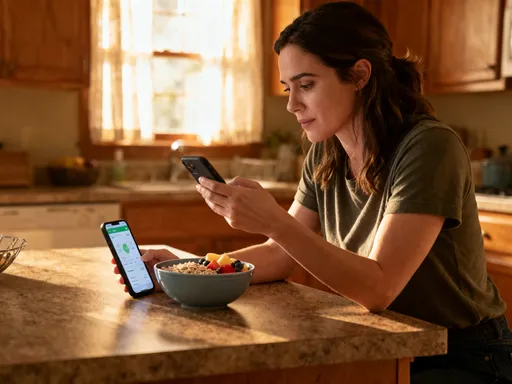
I remember the night it changed. I was standing in my kitchen, staring at an almost-empty fridge, when my sister texted me: “Have you tried that fresh veggie app everyone’s using? I got bell peppers, spinach, and strawberries delivered in 45 minutes.” I rolled my eyes at first. Another app? Another subscription? But then I thought, What if it actually works? So I downloaded it, not expecting much. I opened it that same evening, while heating up soup from last night’s dinner. The screen was clean, simple—no flashing ads or confusing menus. I tapped on “Fresh Vegetables,” and suddenly, there they were: bright red tomatoes, crisp cucumbers, bundles of kale that looked like they’d just been picked. I selected what I needed for the week—nothing extravagant, just the basics—and scheduled delivery for 7 p.m. the next day. That’s it. No forms, no calls, no stress.
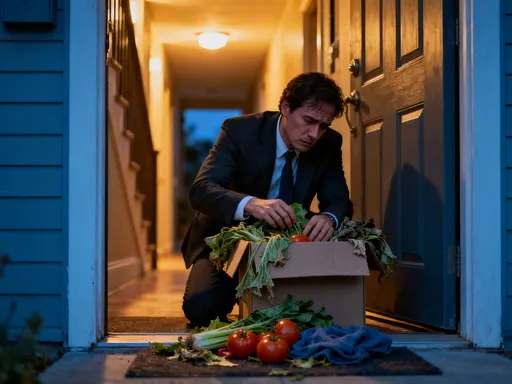
The next evening, I was surprised to get a notification: “Your delivery is 10 minutes away.” Ten minutes! I didn’t have to wait around all night wondering when they’d show up. And when the knock came, I opened the door to a sturdy insulated bag, carefully packed with cold packs and neatly arranged produce. The lettuce was crisp, the apples firm, the herbs still fragrant. I remember thinking, This feels like someone actually cared about what I was getting. No bruised bananas, no soggy greens. Just good, clean food—delivered.
That first delivery didn’t solve all my problems. But it did something important: it gave me hope. Hope that maybe, just maybe, I didn’t have to choose between being tired and eating well. It wasn’t about luxury or convenience for convenience’s sake. It was about dignity—about feeling like I deserved a little help. And once I saw how easy it was, I started wondering why I’d waited so long to try it. This wasn’t about replacing effort with laziness. It was about replacing wasted effort with something smarter.
How These Apps Actually Work—Without the Confusion
Now, I know what you might be thinking: “Okay, but how do they keep things fresh? And where does the food even come from?” I had the same questions. So I did a little digging—not as a tech expert, but as someone who cares where her food comes from. Here’s what I learned: most reputable fresh produce apps partner with local farms or trusted suppliers. That means your strawberries might come from a family-run farm two hours away, not a warehouse that’s been storing them for weeks. Many of these services use refrigerated vans to transport food, so everything stays cool from the moment it’s packed until it lands on your doorstep.
And here’s the part I love: transparency. Some apps let you see exactly where your produce was grown. You might click on a bunch of carrots and see a little note: “Grown by Green Valley Farms, 45 miles from your home.” That kind of detail makes you feel connected—not just to your food, but to the people who grew it. And the delivery tracking? It’s not just a gimmick. Getting a text that says, “Your delivery will arrive in 12 minutes,” means you don’t have to hover by the door or reschedule your evening. You can keep cooking, helping the kids with homework, or just breathing for a few more minutes.
Another thing I appreciate: these apps aren’t trying to lock you into big subscriptions. Most let you order what you need, when you need it. No pressure to commit to weekly boxes if you’re not ready. You can start small—just a few items—and build from there. And if something arrives that’s not fresh? Reputable services have quick, no-hassle refund or replacement policies. It’s not perfect—no system is—but the consistency has been better than anything I’ve experienced in a grocery store, where you never know if the avocado you picked will be mushy by tomorrow.
Saving Time and Energy: The Hidden Benefits Beyond the Grocery List
At first, I thought the biggest win would be not having to carry heavy bags. And yes, that part is amazing. But what I didn’t expect was how much mental space it would free up. Think about it: every time you go to the store, you’re making dozens of tiny decisions. Which brand? Which aisle? Is this on sale? Did I remember the milk? That’s decision fatigue, and it adds up. When you remove that weekly trip, you’re not just saving time—you’re saving brainpower. And that brainpower? You can use it for things that actually matter—like being present with your family, working on a personal project, or just resting.
I started noticing little shifts. Because I no longer had to rush to the store after work, I had an extra 30 to 45 minutes in my evening. At first, I didn’t know what to do with it. But then I started using that time to chop vegetables while listening to a podcast, or calling my sister just to catch up. One night, I even sat outside with a cup of tea and watched the sunset—something I hadn’t done in years. That time didn’t come from nowhere. It came from a simple choice: to let technology handle the logistics so I could focus on living.
And here’s another quiet benefit: fewer impulse buys. In the store, I’d always end up with something I didn’t need—fancy crackers, a new snack bar, a bottle of juice I’d forget in the back of the fridge. Online, I see only what I’ve added. No flashy displays, no end-of-aisle deals. My cart is cleaner, my budget is tighter, and my fridge is less cluttered. It’s not that I’m being more disciplined. It’s that the environment is helping me make better choices without me having to fight for them.
Eating Better Without Trying: The Nutrition Upgrade You Don’t Have to Force
One of the most surprising changes? I’m eating more vegetables—and not because I’m trying harder. It’s simple: when fresh produce is already in my kitchen, I use it. I don’t have to convince myself to go to the store. I don’t have to wonder if the broccoli is still good. It’s right there, clean and ready. So when I’m making dinner, I grab the bell peppers without thinking. I toss spinach into my eggs. I snack on apple slices instead of reaching for a granola bar.
It’s what I call “effortless healthy eating.” No meal plans, no willpower, no guilt. Just accessibility. Scientists call it the “visibility effect”—when healthy options are easy to see and reach, you’re more likely to choose them. And it works. I’ve noticed that on weeks when my delivery arrives, I naturally cook more balanced meals. My kids even comment: “We’re having real food again!” They don’t know about the app. They just know that dinner tastes better and makes them feel good.
And because the produce is so fresh, it lasts longer. I’m throwing away less food, which means I’m saving money and reducing waste. That first bunch of kale? I used it in a salad, then sautéed the rest with garlic. The strawberries lasted four days and still tasted like summer. That kind of quality makes you want to cook. It inspires you. It turns eating well from a chore into a quiet joy. And over time, those small choices add up—not to a diet, but to a lifestyle.
Fitting Into Real Life: Tips for Making It Work With Your Routine
If you’re curious about trying a fresh produce app, here’s what worked for me: start small. Don’t feel like you have to order a full week’s worth of food on day one. Pick five or six items you know you’ll use—like lettuce, tomatoes, bananas, and carrots. See how it goes. Check the delivery windows in your area. Some apps offer morning drops, others do evenings. Find what fits your rhythm. I like having mine arrive around 6:30 p.m., so it’s there when I get home from work.
Customization is key. Most apps let you swap items or leave notes—like “no mushrooms” or “extra firm tofu.” Use that feature. Make the order yours. And don’t be afraid to adjust week to week. Some weeks I need more fruit because we’re hosting. Others, I scale back because we’re eating out. The flexibility is part of the beauty.
Another tip: check if your service offers reusable packaging. Some companies give you a credit when you return the insulated bag and cold packs. It’s a small thing, but it feels good to know you’re not adding to the waste. And if you’re worried about cost, look for intro discounts or free delivery on first orders. Many services offer them. And remember—when you factor in gas, time, and the food you used to waste, it often balances out.
Most importantly, give yourself grace. If your first order isn’t perfect, that’s okay. Maybe the zucchini was a little soft, or you forgot to order onions. It’s not about getting it right every time. It’s about building a system that supports you. And like any new habit, it takes a few tries to get the hang of it. But once it clicks? You’ll wonder how you ever lived without it.
More Than Just Food: How Small Tech Wins Bring Lasting Calm
Looking back, I realize that switching to a produce delivery app wasn’t just about groceries. It was about reclaiming a piece of my day. It was about choosing peace over pressure, care over chaos. And the ripple effects have been bigger than I expected. I’m less rushed at dinner. I’m more patient with my family. I have more energy to focus on things that matter—like finishing a book, learning a new recipe, or just sitting quietly with a cup of tea.
Technology doesn’t have to be flashy or complicated to be powerful. Sometimes, the most transformative tools are the quiet ones—the ones that don’t demand attention but simply make life flow a little easier. This app didn’t change my identity or my values. It just helped me live them more fully. I still care about cooking from scratch. I still want to feed my family well. But now, I can do it without sacrificing my sanity.
So if you’re feeling overwhelmed by the daily grind, I want to ask you: what’s one small thing you could let go of? Not because you’re lazy, but because you’re wise. Because you know that taking care of yourself isn’t selfish—it’s necessary. And sometimes, the simplest tech solutions can be the most profound. They’re not about replacing effort. They’re about redirecting it—toward the people and passions that matter most. So go ahead. Try the app. Let someone else carry the bags for a change. You’ve earned the relief. And who knows? It might just be the start of a calmer, clearer, more nourished way of living.