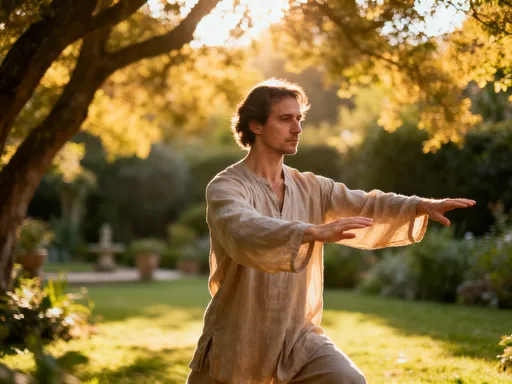
How I Balanced My Body with Simple Daily Moves from TCM Wisdom
For years, I felt constantly drained—no matter how much I slept. Then I discovered traditional Chinese medicine’s take on energy flow and movement. It wasn’t about intense workouts, but gentle, intentional exercises that align with your body’s natural rhythms. I started small: morning stretches, mindful breathing, and rhythmic motions. Within weeks, my energy shifted. This is the system that changed my daily life—natural, sustainable, and deeply rooted in balance.
The Hidden Energy Problem Many Overlook
Many women between 30 and 55 report feeling tired despite getting enough rest, managing households, careers, and family needs with little time left for themselves. This chronic low-grade fatigue is often dismissed as a normal part of adult life, especially during busy seasons of parenting or caregiving. Yet persistent exhaustion, brain fog, irritability, and frequent tension headaches are not inevitable—they are signals. These symptoms suggest a deeper imbalance, one that conventional approaches often fail to address because they focus on treating individual issues rather than supporting the whole system.
Western lifestyles tend to prioritize productivity over rhythm. Early mornings begin with caffeine and screens, workdays are filled with mental strain and prolonged sitting, and evenings end in front of glowing devices with little physical transition into rest. This constant push without natural ebb and flow disrupts the body’s internal timing. The result? A cycle of overstimulation followed by crash, which over time depletes vital reserves. Unlike acute illness, this imbalance builds quietly, making it easy to overlook until symptoms become harder to ignore.
Traditional Chinese Medicine (TCM) offers a different lens: health is not the absence of disease but the presence of balance. At its core is the concept of Qi (pronounced “chee”), the vital energy that flows through the body along pathways known as meridians. When Qi moves smoothly, the body functions optimally. When it becomes stagnant or depleted, discomfort arises. TCM does not separate physical symptoms from emotional or lifestyle patterns. Instead, it views fatigue, digestive issues, and mood fluctuations as interconnected expressions of underlying disharmony.
What makes TCM especially relevant today is its emphasis on prevention and self-awareness. Rather than waiting for a diagnosis, it encourages daily practices that support the body’s ability to regulate itself. This shift—from fixing problems to maintaining balance—aligns with a growing understanding in integrative health. Research in chronobiology, for example, confirms that human physiology operates in natural cycles, including circadian rhythms that influence hormone release, metabolism, and immune function. Honoring these rhythms isn’t mystical; it’s physiological.
Why Movement Matters in Traditional Chinese Medicine
In Western fitness culture, movement is often measured by intensity: heart rate, calories burned, or miles logged. The goal is typically external—weight loss, muscle gain, or endurance. While these outcomes have value, TCM approaches movement differently. From this perspective, physical activity is not primarily about exertion but about facilitating the smooth flow of Qi and blood. Gentle, rhythmic motion is seen as a way to prevent stagnation, much like a slow-moving stream stays clear while a stagnant pond grows murky.
Stagnation in TCM refers to a blockage or slowdown in energy and circulation. It can manifest as physical tension, especially in the shoulders, neck, or lower back, as well as emotional irritability, digestive discomfort, or menstrual irregularities. Modern life creates perfect conditions for stagnation: long hours at a desk, emotional stress held in the body, and insufficient time for restorative activities. High-intensity workouts, while beneficial in moderation, can sometimes add strain if the body is already depleted, potentially worsening imbalance rather than resolving it.
TCM-inspired movement emphasizes harmony over force. Practices like Tai Chi, Qigong, and simple mindful stretches are designed to be accessible and sustainable. They do not require special equipment, a gym membership, or even a lot of time. Instead, they rely on repetition, breath coordination, and awareness. The intention is not to push the body to its limits but to invite it into a state of ease. This approach aligns with emerging research on low-to-moderate physical activity, which shows benefits for stress reduction, immune function, and cognitive clarity without the risks of overtraining.
One of the most powerful aspects of TCM movement is its inclusivity. Unlike many fitness trends that emphasize performance or appearance, these practices are adaptable to all body types and fitness levels. A woman recovering from surgery, managing chronic pain, or simply new to exercise can begin with seated movements or even visualization techniques. The focus is on consistency and internal sensation rather than external results. Over time, this builds a deeper connection between mind and body, fostering a sense of agency and well-being that goes beyond physical health.
The Core Principles Behind TCM-Inspired Movement
To understand how simple movements can create profound change, it helps to explore the foundational principles of TCM. The first is Qi flow—the idea that energy travels through the body along specific pathways linked to organs and functions. When Qi flows freely, the body maintains balance. When it is blocked or deficient, symptoms arise. Movement helps stimulate this flow, much like gently rocking a boat helps water circulate beneath it. Even small motions, when done with awareness, can have a ripple effect on overall vitality.
Another key concept is Yin-Yang balance. In TCM, Yin represents rest, nourishment, and internal resources, while Yang stands for activity, warmth, and outward expression. Modern life often skews heavily toward Yang—constant doing, thinking, and producing—without enough Yin to replenish. This imbalance can lead to burnout, sleep disturbances, and hormonal fluctuations. TCM-inspired movement helps restore equilibrium by blending gentle activity (Yang) with mindful stillness (Yin). For example, a slow arm raise followed by a pause to feel the breath creates a mini cycle of activation and release, mirroring the natural rhythm of day and night.
The organ meridian system is another cornerstone. Each major organ is associated with a meridian, and specific movements can support their function. The liver meridian, for instance, runs along the inner legs and is linked to emotional regulation and detoxification. Gentle leg stretches or ankle circles can help release tension in this pathway, especially after long periods of sitting. The spleen meridian, related to digestion and energy production, benefits from abdominal breathing and seated twists. The kidney meridian, associated with vitality and resilience, is supported by grounding movements like slow walking or heel presses.
Perhaps the most transformative aspect of TCM movement is the emphasis on intention. Unlike mechanical repetition, these practices invite presence. When you raise your arms slowly while focusing on your breath, you are not just moving muscles—you are signaling safety to your nervous system. This mind-body connection has been validated by modern neuroscience, which shows that mindful movement can reduce cortisol levels, improve vagal tone, and enhance emotional regulation. In this way, TCM practices bridge ancient wisdom and contemporary science, offering a holistic path to well-being.
Morning Rituals to Wake Your Energy Naturally
Starting the day with intention sets the tone for everything that follows. A simple 10-minute morning routine, rooted in TCM principles, can awaken energy without the jolt of caffeine or the stress of rushing. The goal is not to energize through force but to gently invite the body into wakefulness, aligning with the body’s natural rise in Yang energy at dawn. This practice can be done in comfortable clothing, either standing or seated, making it accessible even on the most hectic mornings.
The routine begins with gentle stretching. Raising both arms overhead while inhaling deeply stimulates the lung and large intestine meridians, which are active in the early morning. As you reach upward, imagine drawing in fresh energy; as you lower your arms and exhale, release any lingering heaviness. This motion also encourages lymphatic flow and improves shoulder mobility, counteracting the rounded posture many develop from desk work. Repeating this three to five times creates a rhythmic pulse that awakens the upper body.
Next, incorporate arm swaying—letting the arms hang loosely and gently rocking the torso side to side. This fluid motion activates the gallbladder and liver meridians, which run along the sides of the body and are associated with decision-making and emotional flow. In TCM, the liver is said to “govern the free flow” of Qi, and morning movement helps prevent stagnation that can lead to irritability or frustration later in the day. The swaying also gently massages internal organs and improves coordination between breath and movement.
Deep abdominal breathing completes the sequence. Placing one hand on the lower abdomen, breathe in slowly through the nose, allowing the belly to rise, then exhale fully through the mouth. This diaphragmatic breathing activates the parasympathetic nervous system, promoting calm focus. In TCM, the lower abdomen is considered the body’s energy center, or Dan Tian. Focusing breath here strengthens Qi and supports digestive and reproductive health. Just five minutes of this practice can enhance mental clarity and reduce morning grogginess, offering a sustainable alternative to sugary breakfasts or multiple cups of coffee.
For those with limited mobility or joint concerns, modifications are simple. Seated versions of each movement are equally effective. The key is consistency, not perfection. Over time, this routine becomes a ritual of self-respect—a daily promise to prioritize well-being before meeting the demands of the outside world.
Daily Micro-Movements That Make a Real Difference
While dedicated exercise has its place, TCM emphasizes the power of small, frequent movements throughout the day. These micro-practices counteract the effects of prolonged sitting, which modern research links to poor circulation, metabolic slowdown, and increased risk of chronic disease. From a TCM perspective, sitting for hours without movement allows Qi and blood to stagnate, particularly in the lower body and pelvis. This can contribute to fatigue, bloating, and even menstrual discomfort in women.
Integrating brief movement breaks every 60 to 90 minutes helps maintain flow. One effective practice is shoulder rolling: gently rotating the shoulders forward and backward in a circular motion. This simple action releases tension in the upper back and neck, areas where stress often accumulates. It also stimulates the small intestine and triple burner meridians, which are involved in energy distribution and temperature regulation. Doing this for just one minute can relieve tightness and improve posture, especially for those who spend hours at a computer.
Another helpful micro-movement is ankle circling. While seated, lift one foot slightly and rotate the ankle clockwise and counterclockwise. This motion supports the kidney and bladder meridians, which run along the back of the legs and are associated with endurance and fluid balance. In TCM, strong kidney Qi is linked to vitality and longevity. Ankle circles also enhance circulation to the feet, reducing the risk of swelling and improving balance over time.
Seated spinal twists are another valuable addition. Sitting tall, place one hand on the opposite knee and gently rotate the torso, looking over the shoulder. This compresses and releases the digestive organs, aiding the spleen and stomach meridians. It also improves spinal flexibility and relieves lower back tension. Even two to three slow twists on each side can reset the nervous system, providing a mental break as much as a physical one.
The beauty of these micro-movements lies in their simplicity and accessibility. They do not require changing clothes or leaving your workspace. They can be done during phone calls, while waiting for the kettle to boil, or between household tasks. Over time, they become natural pauses in the day, moments of reconnection rather than interruptions. This approach aligns with public health recommendations for “movement snacks”—short bursts of activity that improve metabolic health and cognitive function. By framing them as acts of care rather than chores, they become sustainable habits that support long-term well-being.
Evening Practices to Restore and Rebalance
Just as the morning awakens Yang energy, the evening is a time to nurture Yin—rest, repair, and inward reflection. After a day of activity and mental engagement, the body benefits from gentle, downward-moving motions that signal it is time to slow down. These practices do not replace sleep but prepare the body for deeper, more restorative rest. In TCM, poor sleep is often linked to Qi stagnation or deficient Yin, both of which can be addressed through calming movement.
A simple wind-down sequence begins with slow walking, either indoors or outdoors. The pace should be unhurried, with attention on the sensation of each foot touching the ground. This grounding motion activates the kidney meridian, which runs along the sole of the foot and is associated with resilience and deep energy reserves. Walking mindfully also helps transition the mind from busy thinking to present awareness, reducing the mental chatter that often interferes with sleep.
Next, incorporate palm-rising and palm-sinking motions. Standing comfortably, slowly raise the palms toward the sky while inhaling, then lower them in front of the body while exhaling. This rhythmic gesture mimics the natural flow of energy in the body—ascending in the morning, descending at night. It calms the heart and lung meridians, which can become overactive with stress. Repeating this five to ten times creates a meditative rhythm that soothes the nervous system.
Finishing with quiet breathing completes the transition. Sit or lie down, placing one hand on the chest and one on the abdomen. Breathe slowly, allowing the lower hand to rise more than the upper one. This emphasizes abdominal breathing, which activates the vagus nerve and promotes relaxation. In TCM, this practice nourishes Yin and calms the spirit, or Shen. It is especially helpful for those who struggle with nighttime anxiety or wakefulness.
The key to evening movement is consistency, not duration. Even five minutes of intentional practice can improve sleep quality and digestion. Over time, the body learns to associate these motions with safety and rest, making it easier to unwind without relying on screens or sedatives. This routine becomes a nightly act of self-honor, a quiet acknowledgment that rest is not laziness but a vital part of health.
Building a Sustainable Routine: From Trial to Habit
Starting a new practice often begins with enthusiasm, but long-term success depends on sustainability. Many women try various wellness trends only to abandon them when life gets busy. The advantage of TCM-inspired movement is its adaptability. It does not demand perfection or large time commitments. Progress is measured not by intensity but by consistency and awareness. The shift from trial to habit happens gradually, through small, repeated choices that build resilience over time.
Tracking subtle changes can reinforce motivation. Instead of focusing on weight or appearance, notice improvements in sleep quality, mood stability, or reduced muscle stiffness. Journaling for a few minutes each week can help identify patterns—such as better energy after morning stretches or calmer evenings following wind-down routines. These observations build confidence and deepen understanding of personal rhythms.
Equally important is learning to listen to the body. Some days call for more movement; others require stillness. TCM teaches that forcing alignment creates strain, while honoring natural fluctuations fosters balance. On tired days, a few seated breaths may be enough. On energetic days, longer stretches or walking can be added. This flexibility prevents burnout and supports a compassionate relationship with the self.
Finally, it is essential to consult healthcare providers when making changes to health routines, especially for those with chronic conditions, pregnancy, or recent surgery. TCM-inspired movement is a complementary practice, not a replacement for medical care. When used alongside professional guidance, it can enhance overall well-being and support recovery.
Over time, these simple practices become more than habits—they become a way of living. They cultivate presence, resilience, and a deeper connection to the body’s innate wisdom. For women navigating the many roles of modern life, this approach offers a gentle, sustainable path to balance.
This system isn’t about dramatic transformation—it’s about returning to rhythm, one mindful move at a time. By integrating TCM-inspired movement into daily life, you’re not just exercising; you’re nurturing your body’s innate ability to balance itself. The real power lies in consistency, awareness, and respect for natural flow. Start small, stay steady, and let your body lead the way.